When you sit down for a blackjack session, the difference between a https://blue-cheetah-984985.hostingersite.com/new-blackjack-players-splitting-mistakes-and-payment-checks/ measured evening and a rushed one usually comes down to planning. Setting clear blackjack session goals helps you decide how long to play, what stake range feels comfortable, and when to step away without second-guessing yourself. A practical approach mirrors how a support team triages tickets: you prioritise the most important limit first, then work through the rest in order. That same discipline keeps your bankroll intact and your decisions steady, especially on a phone screen where distractions pile up fast.
Defining the Session Scope Before You Tap Deal
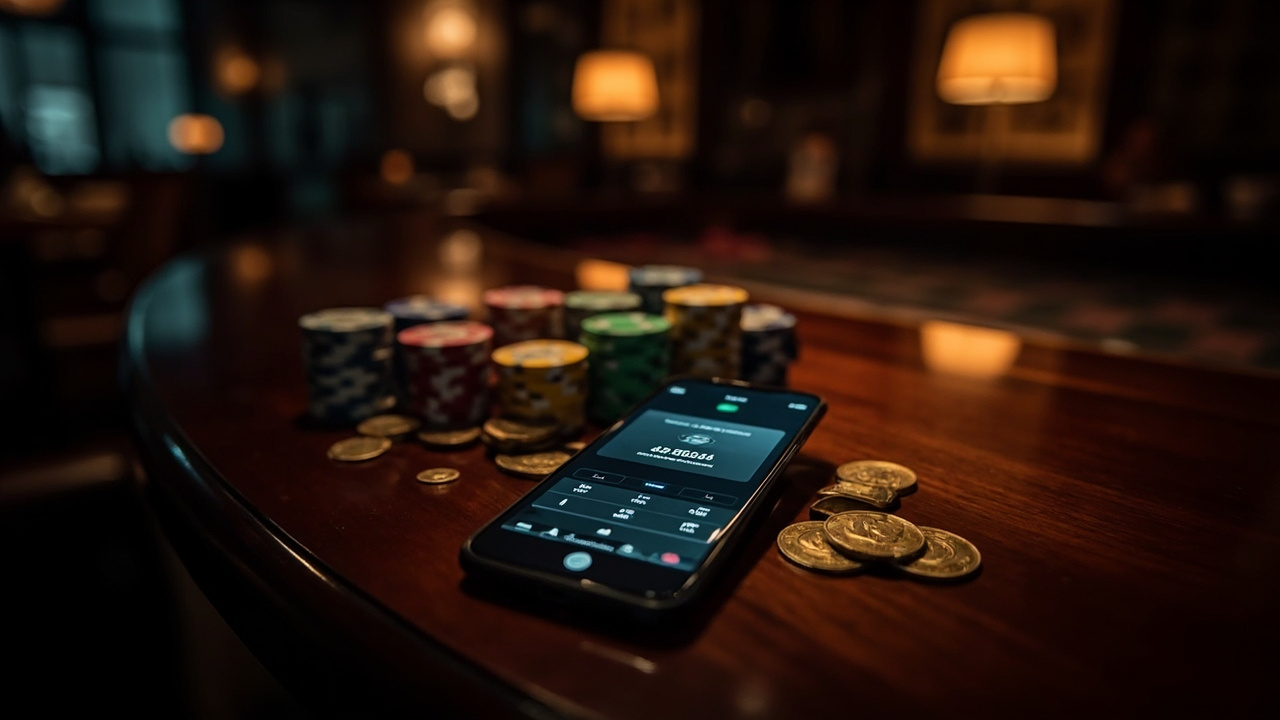
The first move is deciding what the session is actually for. Some players want a short, low-stakes run to test a new mobile layout, while others are working through a specific basic-strategy drill with a fixed bankroll. Write down a single primary goal and a hard stop condition before you open the app, because vague intentions tend to drift once the cards start flowing. A well-run platform makes this easier by surfacing your chosen table limits and game rules up front, rather than burying them behind promotional banners. If you prefer a prepaid route that keeps your spending isolated from a main card, you can look for paysafecard casino sites that list clear deposit caps and session timers in the same account area. The point is to remove guesswork before the first hand, so the session stays aligned with the plan you set in the arvo before you logged in.
Reading the Mobile Layout as Part of the Goal
A mobile blackjack session runs on more than the cards; it runs on how the interface behaves when you are navigating between tables, checking rules, or adjusting your bet size. Load times, button placement, and whether the bet controls stay reachable with one thumb all affect whether your goal holds up under pressure. A sluggish or cluttered screen can turn a disciplined stop-loss plan into a series of impulsive taps, which is why a mobile-first fit matters as much as the game itself. Good responsiveness shows up when the table redraws cleanly after each hand and the navigation never overlaps the action area. If you are comparing Adelaide venues that offer a digital option alongside their lounge games, check whether the app or browser version keeps the same table selection and rule display on a small screen, because a layout that works on a desktop can still fail on a phone. The session goal should include a quick usability check, not just a bankroll figure.
Even when the layout is intuitive, responsible gaming tools need to be just as accessible during high-stakes moments. Players should verify that a platform offers clear limit settings before depositing funds at paysafecard casino sites. You can read more about maintaining a secure environment at https://protechsafety.net/en-AU/.
Using a Step-by-Step Check Before Each Hand
A repeatable routine keeps the session anchored when the pace picks up. Run through this short sequence before you commit to the next round, and treat it like a standard operating step rather than a mood check.
- Confirm the table rules and deck count match the strategy you intended to use.
- Verify the current bet range sits inside the stake limit you wrote down at the start.
- Check the interface response time and make sure the deal button is where you expect it.
- Review your running result against the stop condition, not against how the last hand felt.
- Decide whether the next hand serves the goal or whether it is time to log off.
That sequence is the kind of operational rhythm a technical support lead would recognise: same order, same checks, every time. It reduces the chance that a lucky streak or a rough patch quietly rewrites your original plan.

Closing the Session Without Rewriting the Rules
The end of a session is where most plans get bent, usually because a player keeps renegotiating the stop condition in real time. A clean finish means you compare the outcome against the goal you set at the start, not against a new target that appeared after an interesting run. If the session hit its time limit, its loss limit, or its win target, the job is done and the table stays closed until the next planned session. If the mobile experience caused friction – lag, misplaced controls, or a confusing rules display – note it down so the next session starts with better information. I have seen global teams handle incident response the same way: log the issue, adjust the next run, and avoid making a permanent change based on one messy evening. That fair go approach to your own play keeps the numbers honest and the habit sustainable, with no need to force a different result just because the cards went quiet.